Lowest Price Ever!



 14-Days Money Back Guarantee
About Digital Transformation Explained
Whether you are a founder, an executive, or an operations leader responsible for making digital actually work, this book gives you the models to transform with structure and confidence.
This eBook walks you through how companies actually become digital, from diagnosing your maturity stage to redesigning team boundaries, modernizing legacy systems, and sequencing change so it holds. It covers digital transformation for enterprises and small businesses alike, not just companies with unlimited budgets.
Covering strategy, technology, data, AI, customer experience, change management, and execution, it ensures you can build a transformation that survives technical debt, organizational resistance, and the inevitable next wave of technology. With real failure patterns and ready-to-use frameworks, this eBook becomes the go-to reference you reach for every time a digital transformation starts to stall.

‘...frontrunner in delivering top-tier digital business resources...’

‘...has been making waves with its flagship product...’

‘...consistent emphasis on simplifying complex business topics...’

‘...shaping the future of digital business learning...’

‘...valuable resource in the ever-evolving world of business education...’
Table of contents 

-
Part 1: Why Digital Transformations Fail
- Digitization, Digitalization, and Digital Transformation: Why Confusing the Three Kills Programs Before They Start
- The Five Failure Patterns: Technology-First Thinking, No Ownership, Underestimating Culture, Skipping Diagnosis, Scaling Too Early
- Why 70% Of Transformations Fail And What The Surviving 30% Consistently Do Differently
- Why Transformation Is Not A Project With An End Date And What Happens When Leaders Treat It Like One
- The MIT CISR Four Stages: Silos, Integrated, Optimized, Ecosystem And What Each Looks Like In Practice
- How To Self-Diagnose Your Current Stage Across Five Dimensions: Strategy, Culture, Technology, Data, And Operations
- The Maturity Trap: Why Companies Get Stuck At Integrated And The Three Conditions Required To Break Through
- The MIT Framework: Five Domains Every Transformation Must Address — Customers, Competition, Data, Innovation, And Value
- Why Transforming One Domain Without Touching The Others Always Produces Partial Results
- Domain-By-Domain Diagnostic: The Key Question Every Leader Must Answer Before Moving Forward
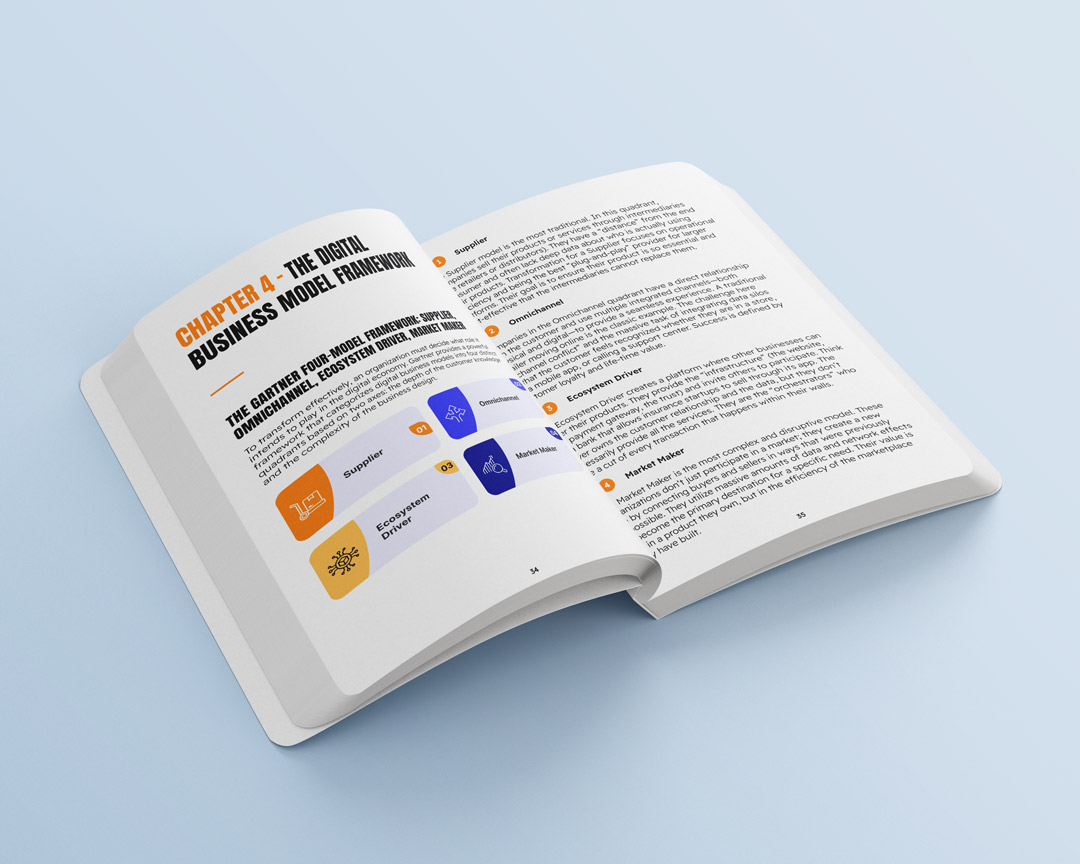
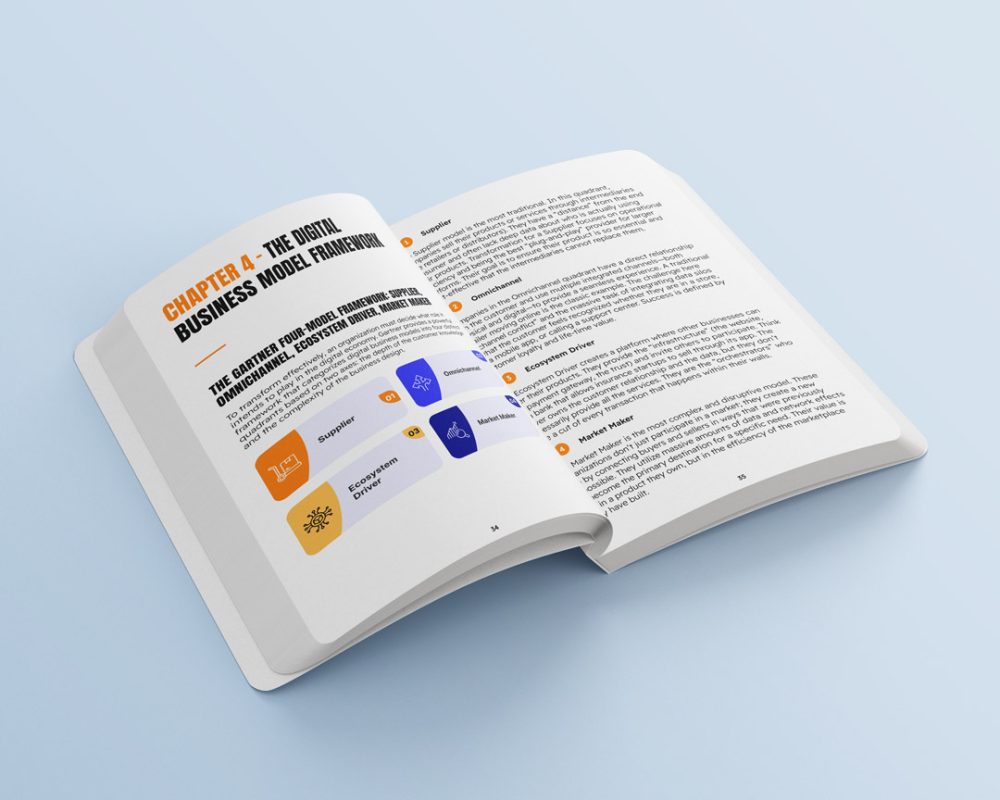
- The Gartner Four-Model Framework: Supplier, Omnichannel, Ecosystem Driver, Market Maker
- How To Identify Which Model Your Company Currently Operates And Which It Needs To Move Toward
- Why Choosing The Wrong Digital Business Model Is More Expensive Than Choosing The Wrong Technology
- The Law: Your Organization’s Communication Structure Determines Your Technology Architecture
- Why Siloed Departments Produce Siloed Systems And Why Integrating Technology Without Integrating Teams Never Works
- The Inverse Conway Maneuver: Redesigning Team Boundaries To Produce The Architecture Your Transformation Requires
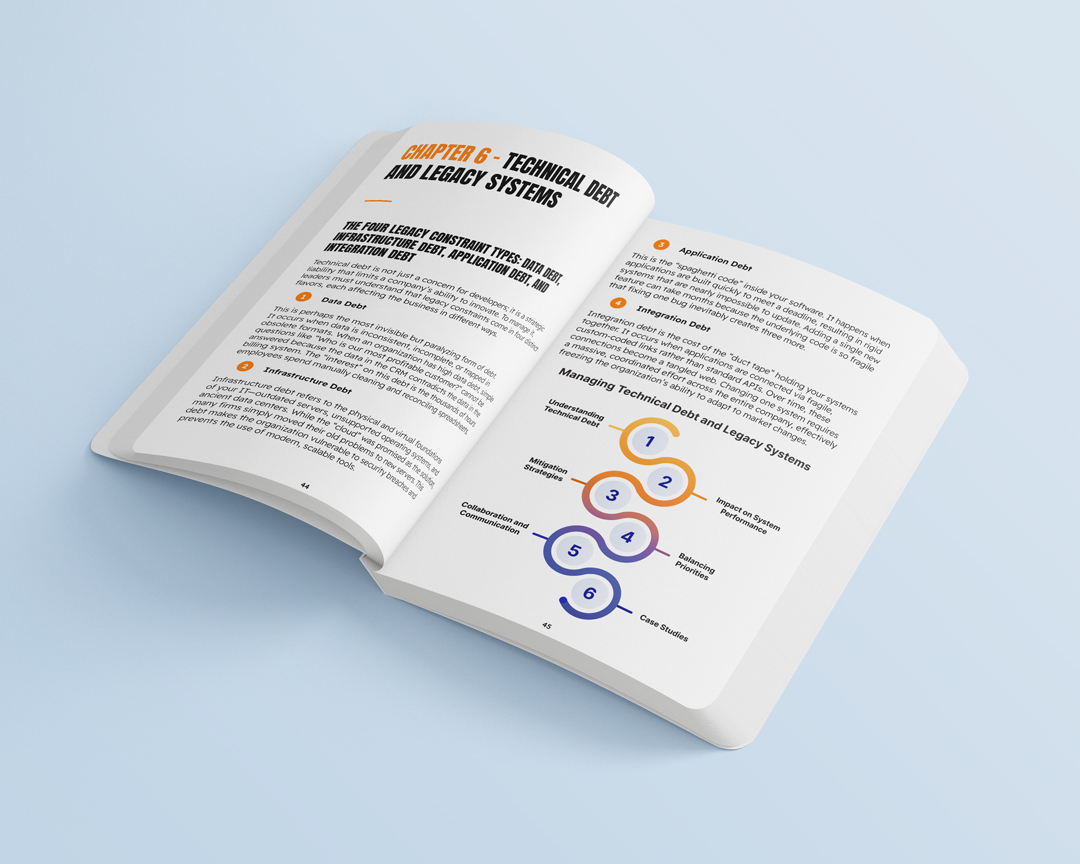
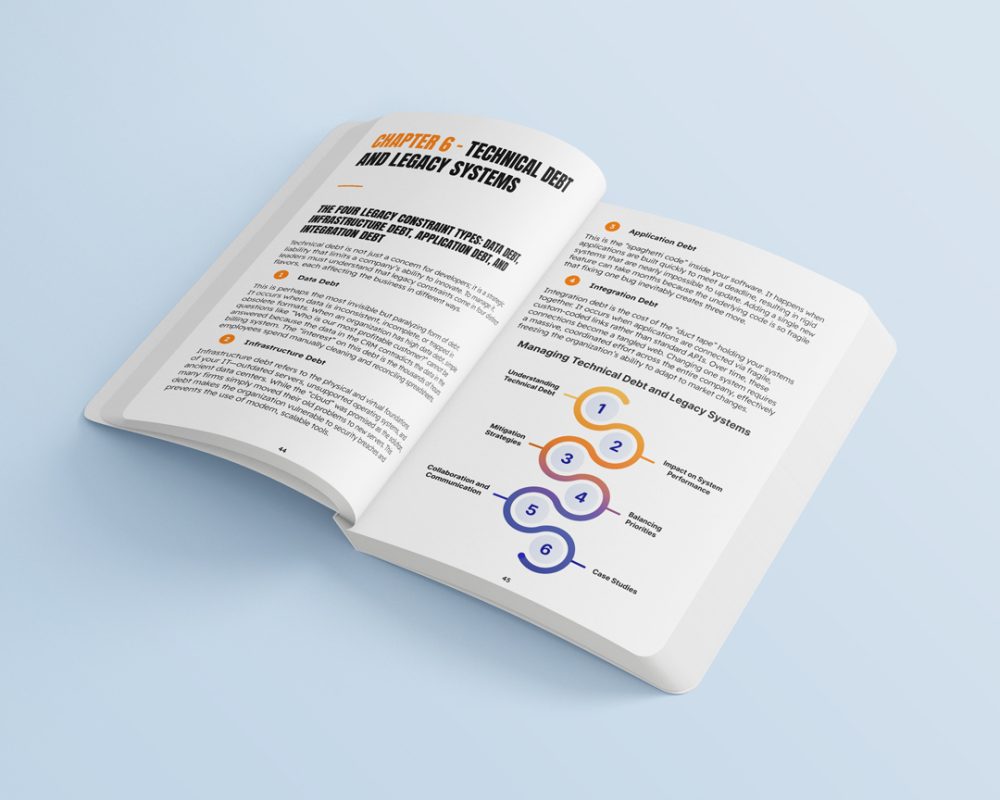
- The Four Legacy Constraint Types: Data Debt, Infrastructure Debt, Application Debt, And Integration Debt
- How To Quantify Technical Debt And Why Most Companies Underestimate It By 40 To 60 Percent
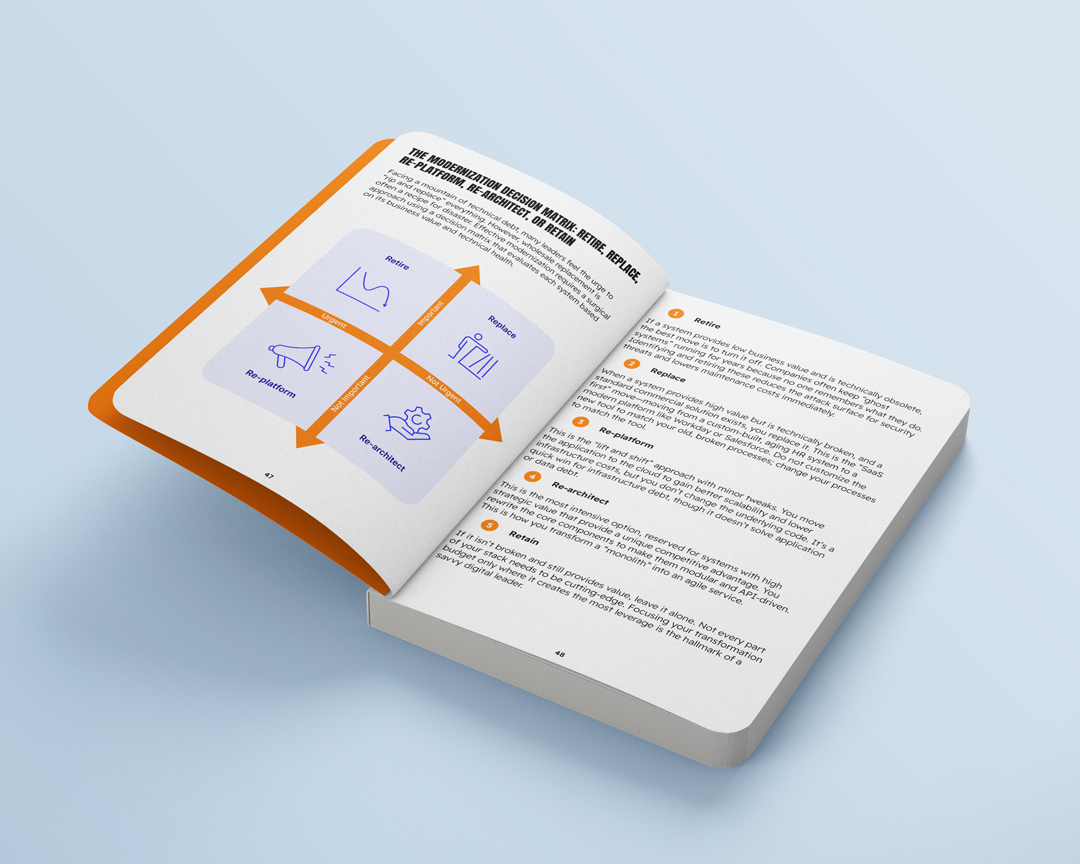
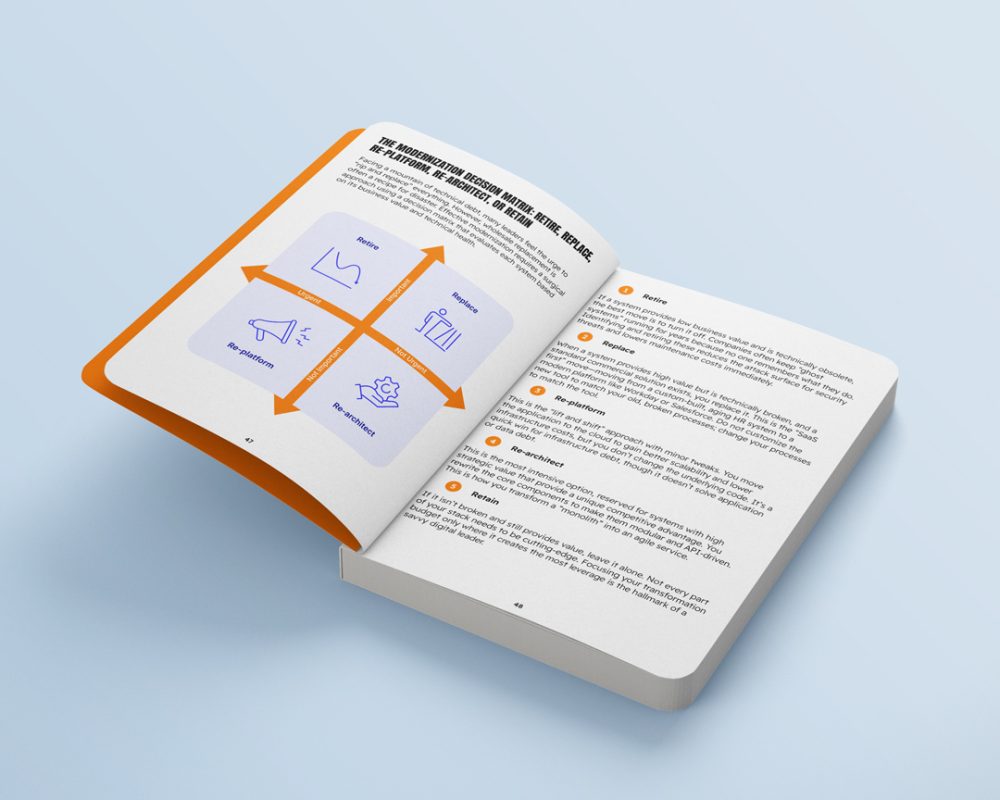
- The Modernization Decision Matrix: Retire, Replace, Re-platform, Re-architect, Or Retain
- The Automation Trap: Why Digitizing A Broken Process Just Makes The Broken Process Faster
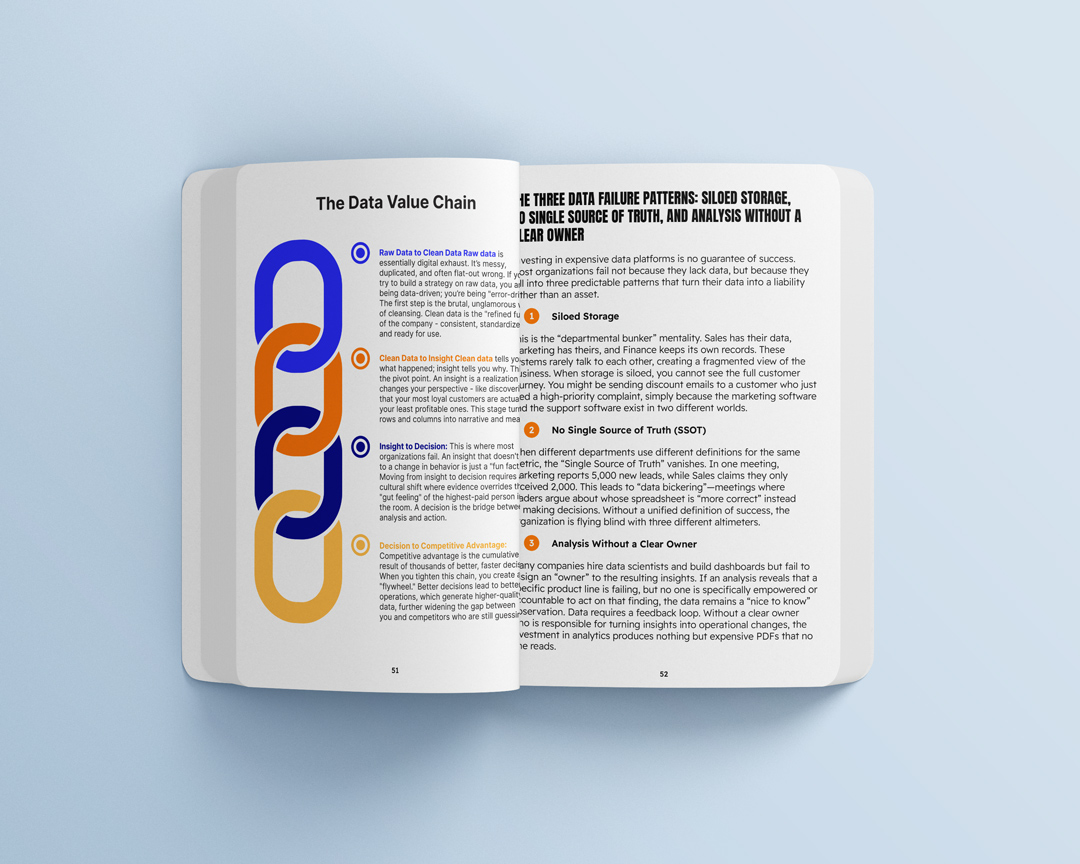
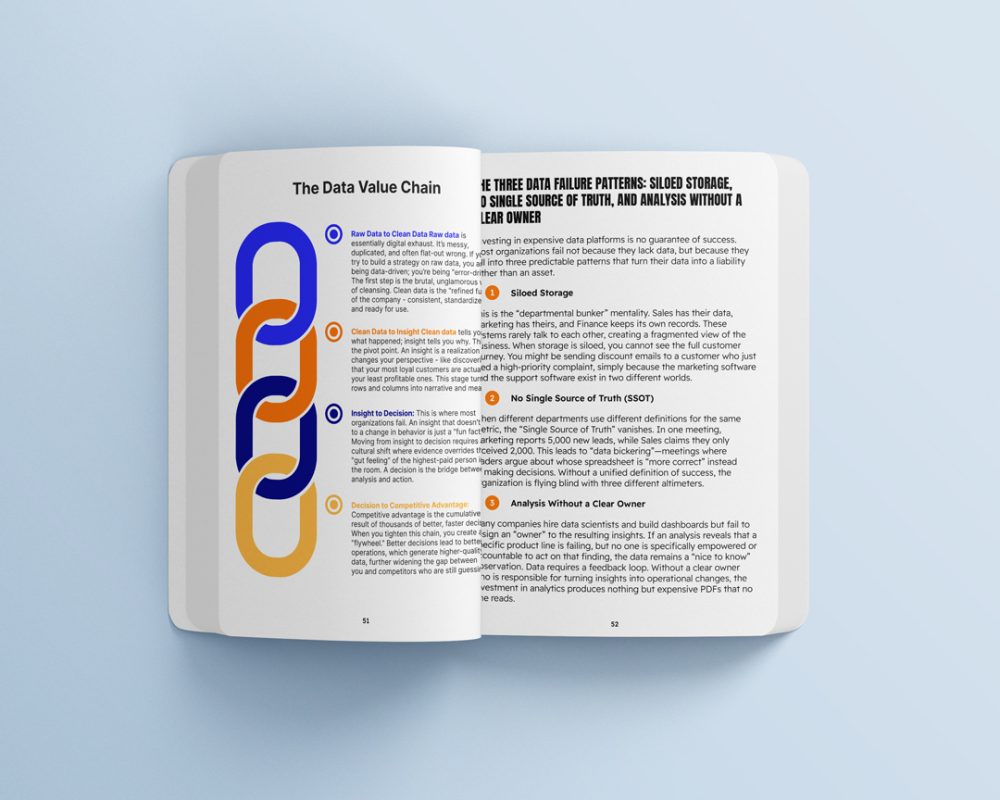
- The Data Value Chain: Raw Data, Clean Data, Insight, Decision, Competitive Advantage
- The Three Data Failure Patterns: Siloed Storage, No Single Source Of Truth, And Analysis Without A Clear Owner
- Building A Data Governance Model: Ownership, Quality Standards, Access Rights, And Retention Rules
- The AI Maturity Model: Five Stages From No AI Capability To AI As A Core Competitive Advantage
- The Three AI Application Categories: Process Automation, Decision Augmentation, And New Product Or Service Creation
- The Automation Trap: Why Automating The Wrong Processes With AI Creates Faster Failures, Not Better Outcomes
- What AI Actually Requires: Data Quality, Integration, Governance, And The Human Layer Most Implementations Skip
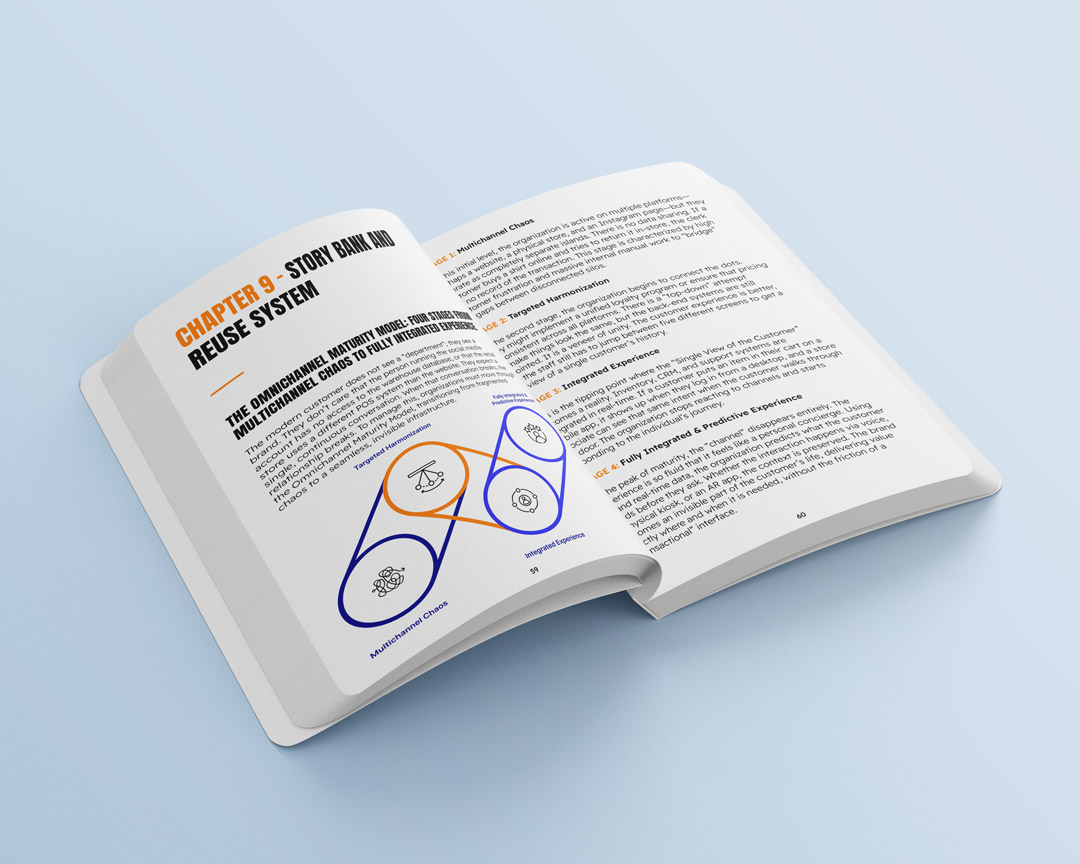
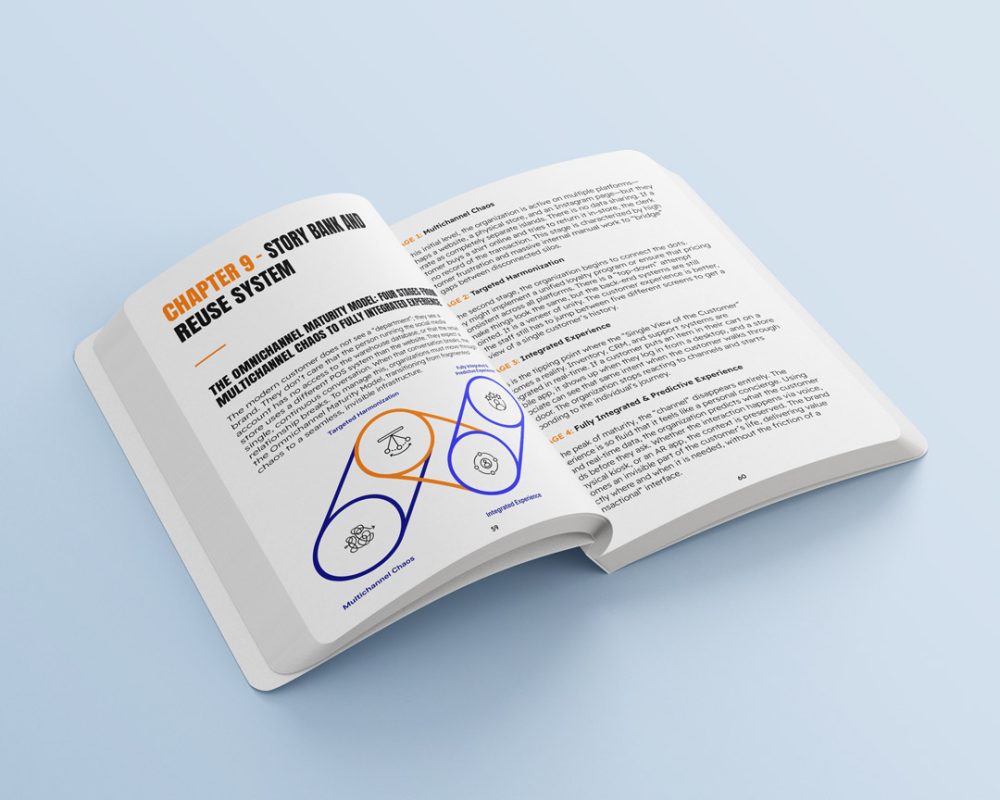
- The Omnichannel Maturity Model: Four Stages From Multichannel Chaos To Fully Integrated Experience
- The Channel Trap: Why Adding Digital Channels Without Integration Makes Customer Experience Worse, Not Better
- The Experience Metrics That Matter: What To Track Beyond NPS To Measure Whether Transformation Is Improving Outcomes
- Why 70% Of Transformations Fail Because Of People, Not Technology
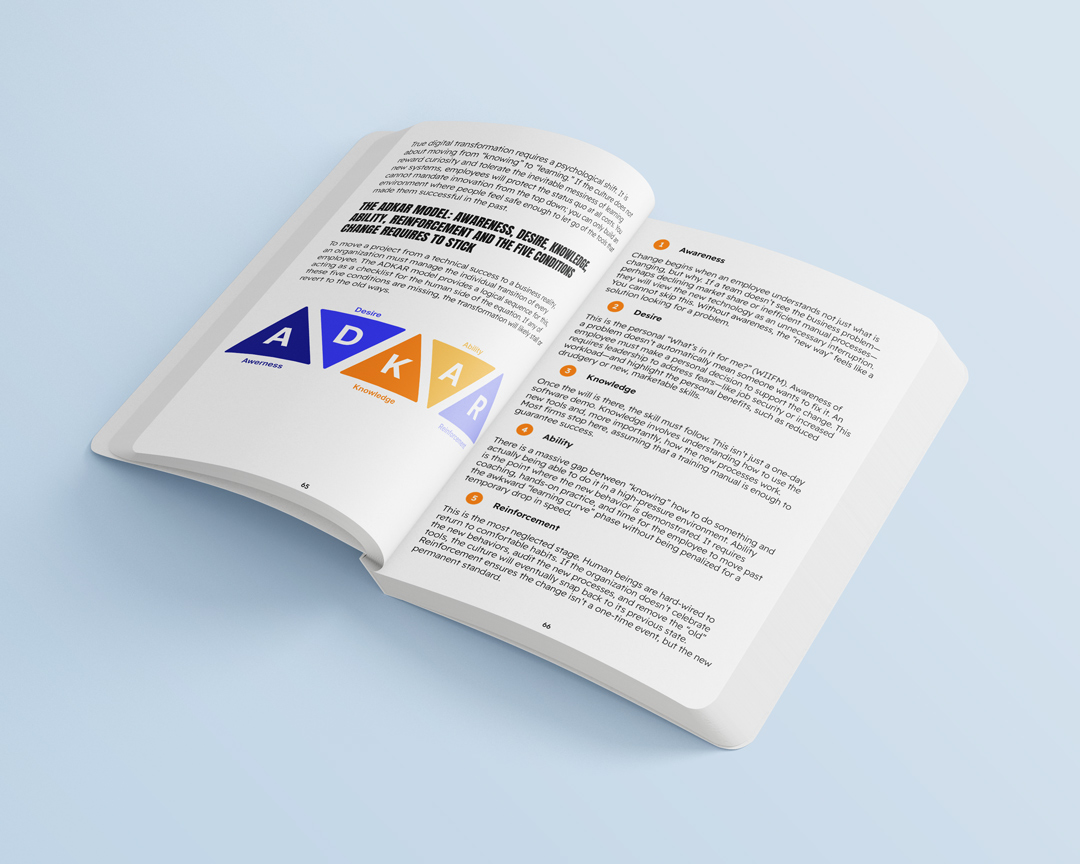
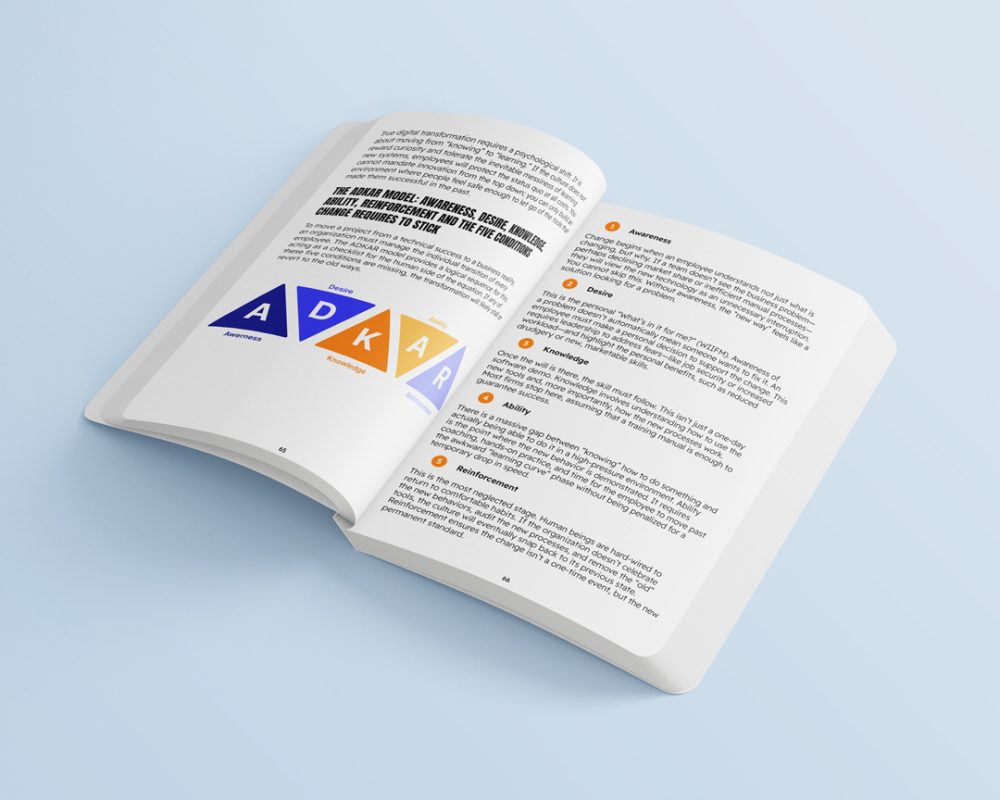
- The ADKAR Model: Awareness, Desire, Knowledge, Ability, Reinforcement And The Five Conditions Change Requires To Stick
- The Middle Management Problem: Why Transformation Stalls Between Leadership And Frontline
- Building A Change Network That Sustains Adoption After The Transformation Team Moves On
- The Quick Win Criteria: What Qualifies As A Genuine Early Win vs. What Creates False Confidence
- How To Sequence Quick Wins To Protect The Longer, Harder Work Happening In Parallel
- The Long Game Architecture: Three Foundational Investments That Determine Whether Transformation Holds
- Why Traditional Financial Metrics Fail In The First 12 To 18 Months Of Transformation
- Leading vs. Lagging Indicators: What To Track Today To Predict Results Before They Show Up In Revenue
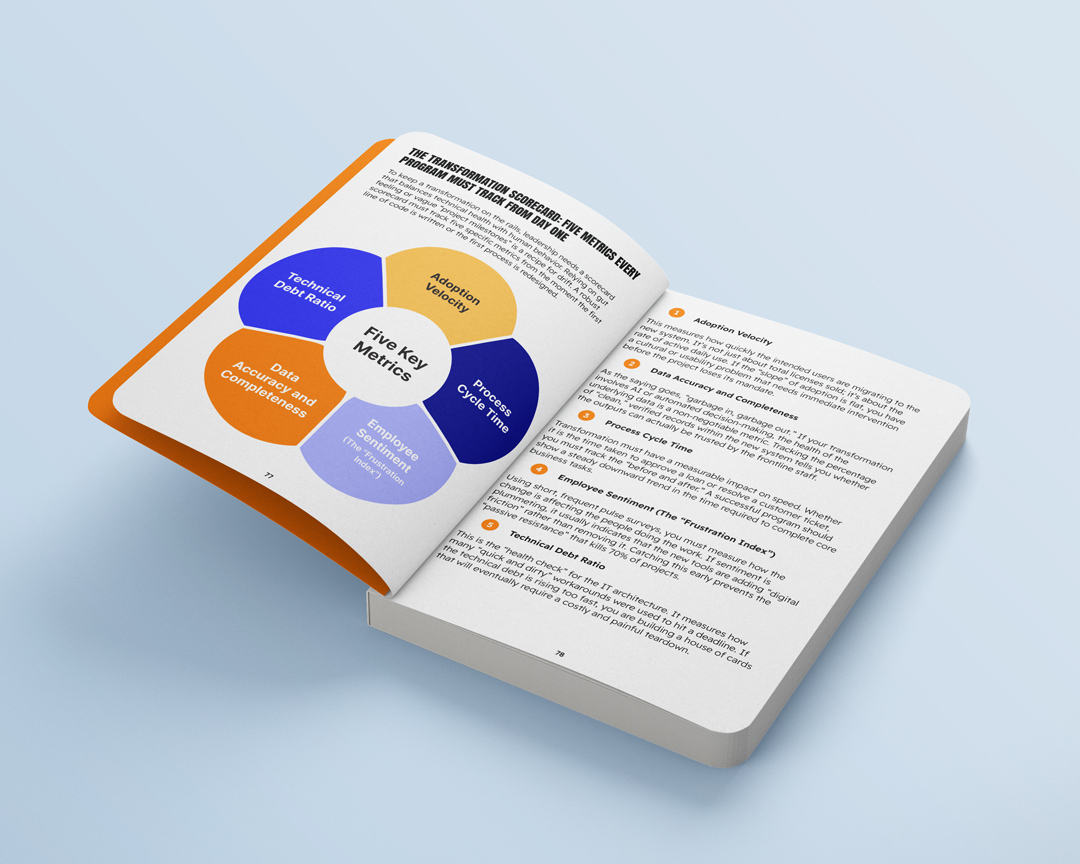
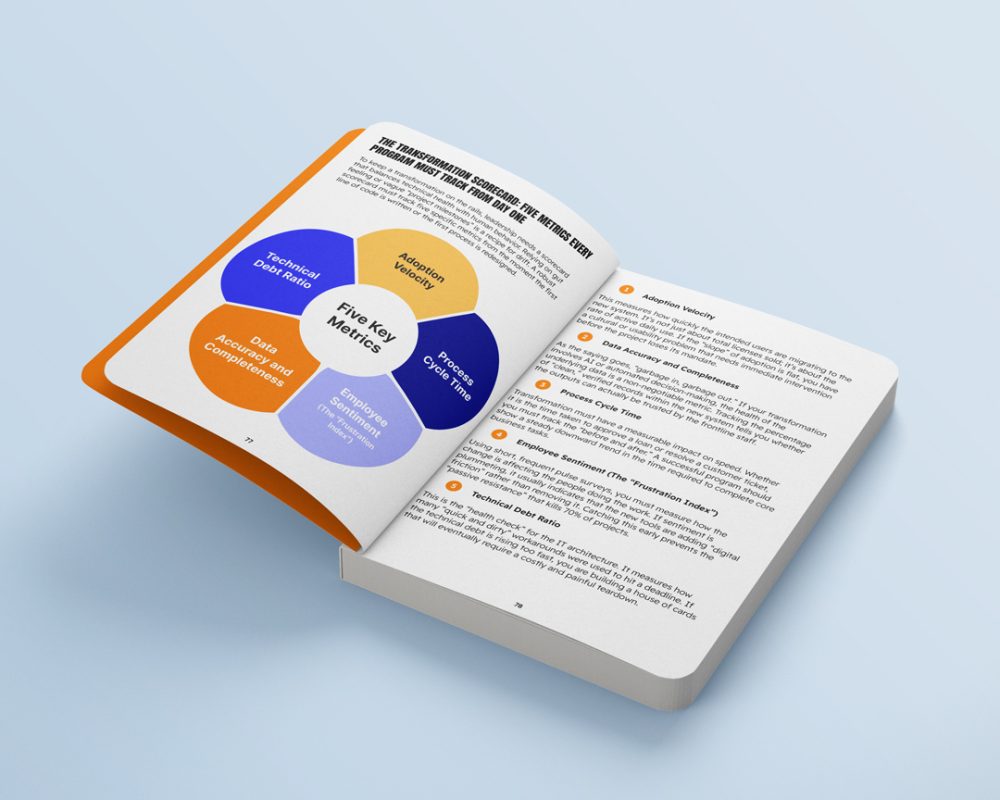
- The Transformation Scorecard: Five Metrics Every Program Must Track From Day One
- The Three Governance Models: Centralized, Federated, And Hybrid And When Each Is Right
- Decision Rights: What Gets Decided At The Center And What At The Business Unit
- The Four Scaling Traps: Why Pilots Succeed And Company-Wide Rollouts Fail
- Why Most Digital Transformation Advice Is Written For Enterprises And Why Applying It To A Business Under 50 People Makes Things Worse, Not Better
- The Fundamental Difference: Small Businesses Don’t Need A Transformation Program, They Need A Transformation Sequence
- The Small Business Diagnostic: Five Questions That Reveal Exactly Where Digital Leverage Is Being Left On The Table
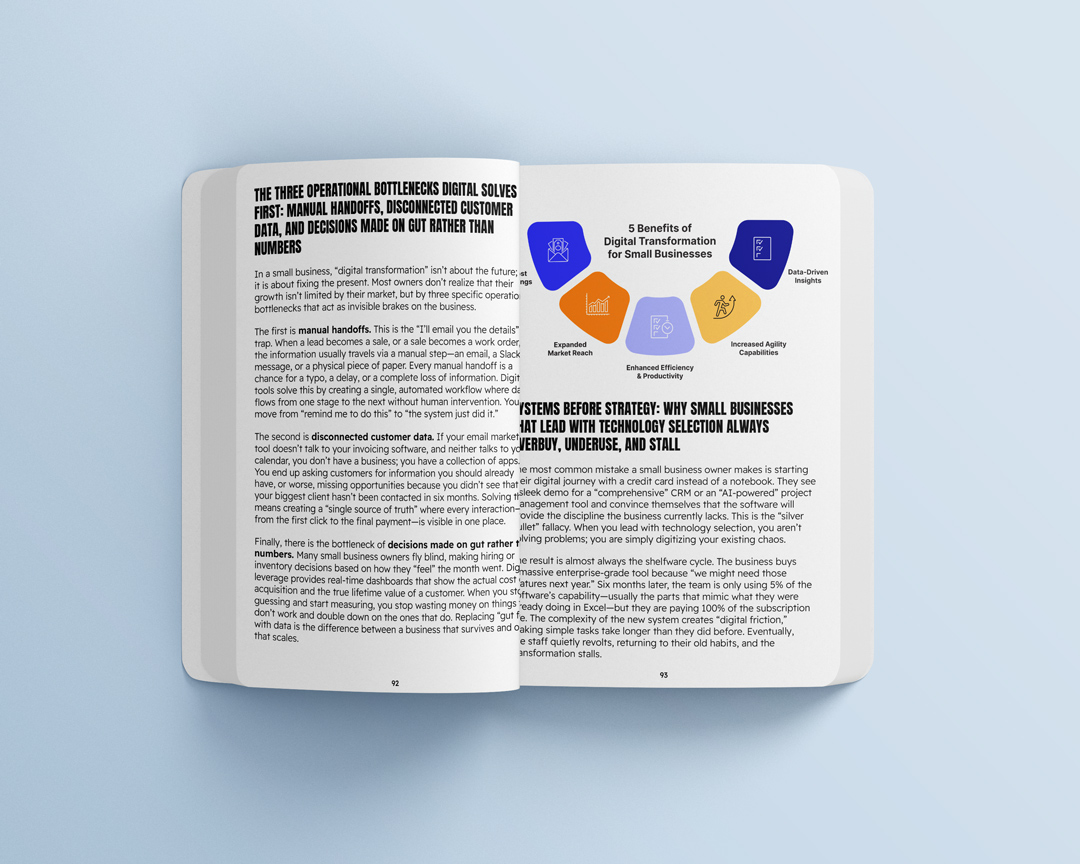
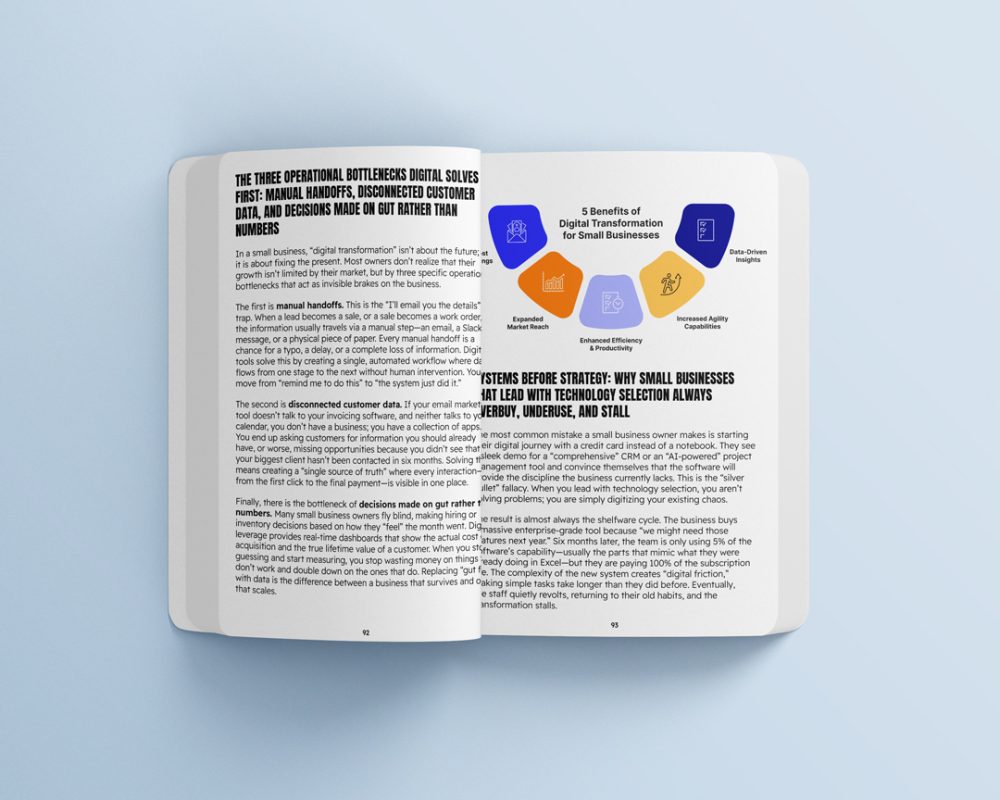
- The Three Operational Bottlenecks Digital Solves First: Manual Handoffs, Disconnected Customer Data, And Decisions Made On Gut Rather Than Numbers
- Systems Before Strategy: Why Small Businesses That Lead With Technology Selection Always Overbuy, Underuse, And Stall
- The Small Business Technology Stack: What A Fully Digitized Operation Under 50 People Actually Looks Like, Layer By Layer
- Automation For Small Businesses: The Four Processes Worth Automating First And The Three That Are Too Early To Touch
- Customer Experience At Small Scale: How To Deliver Personalization Without An Enterprise Budget Or A Dedicated Team
- The Owner-Operator Trap: Why The Person Making The Digital Decisions Is Usually The Biggest Bottleneck In The Transformation
- How To Sequence The Build: What To Fix In The First 30 Days, What To Build In 60, And What To Leave Until The Foundation Holds
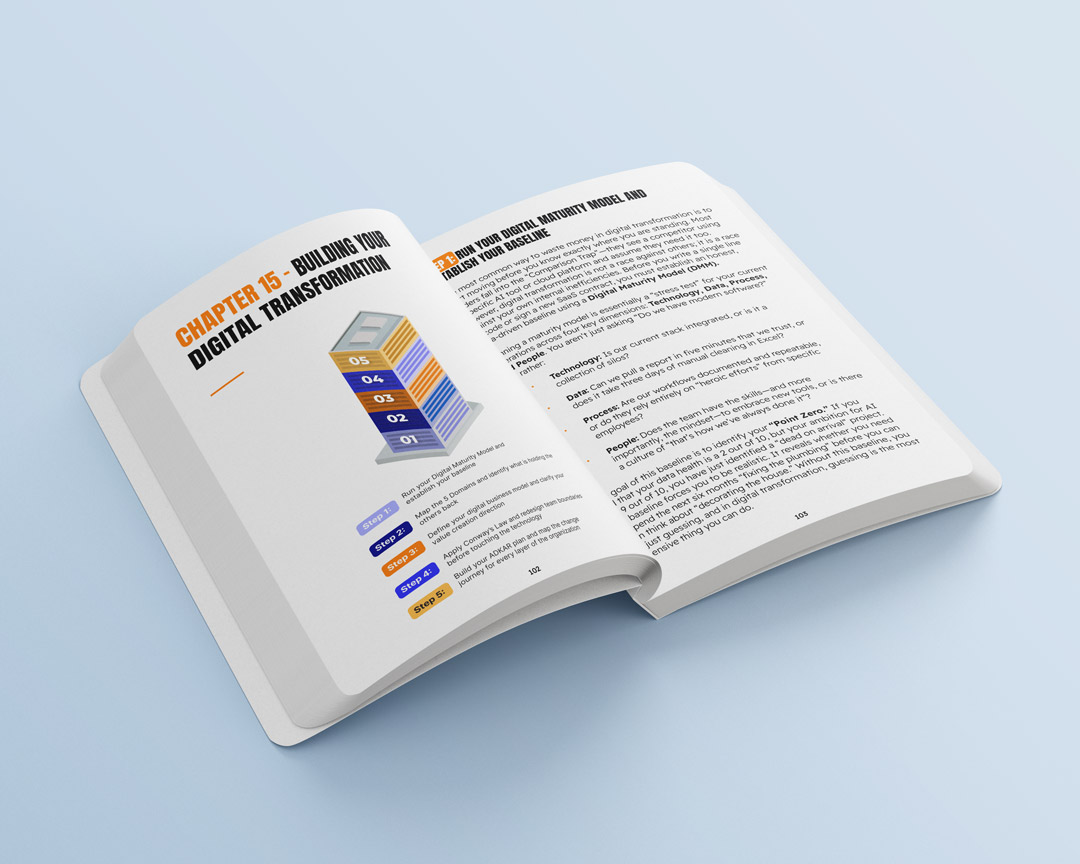
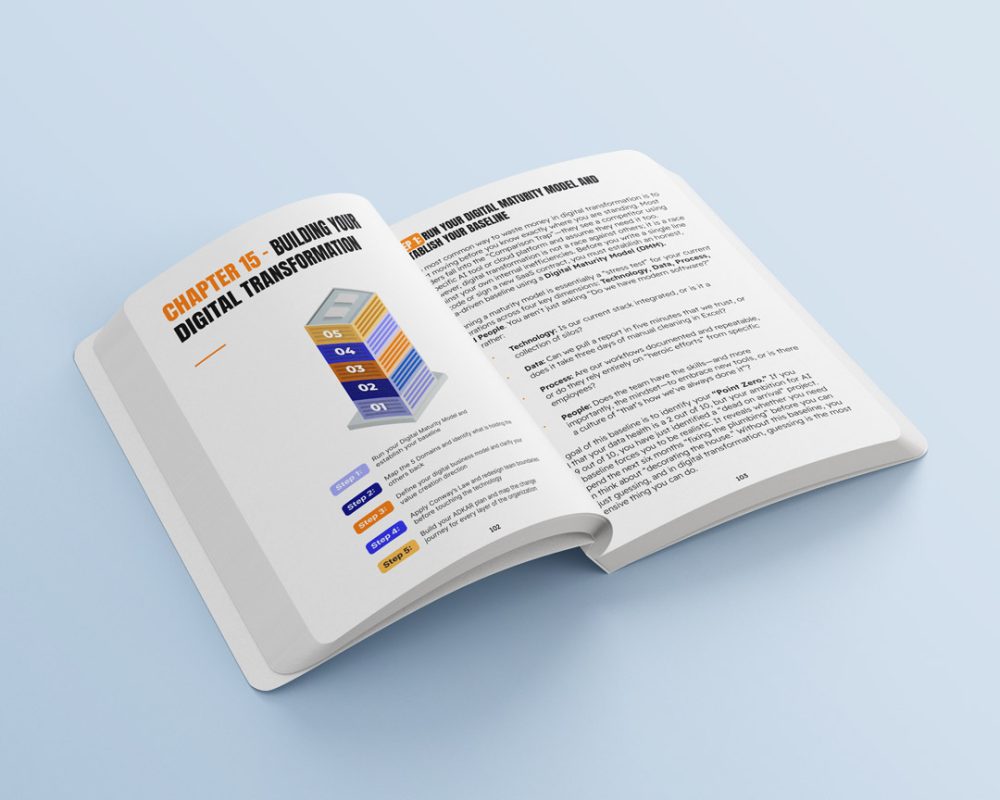
- Step 1: Run Your Digital Maturity Model And Establish Your Baseline
- Step 2: Map The 5 Domains And Identify What Is Holding The Others Back
- Step 3: Define Your Digital Business Model And Clarify Your Value Creation Direction
- Step 4: Apply Conway’s Law And Redesign Team Boundaries Before Touching The Technology
- Step 5: Build Your ADKAR Plan And Map The Change Journey For Every Layer Of The Organization
- The 30-Day Quick Wins: Validating The Vision Through Immediate Momentum
- The 60-Day Foundations: Cementing The “Single Source Of Truth”
- The 90-Day Build: Transitioning From “Functional” To “Formidable”
Part 2: The Digital Maturity Model
Part 3: The 5 Domains Of Digital Transformation
Part 4: The Digital Business Model Framework
Part 5: Conway’s Law
Part 6: Technical Debt And Legacy Systems
Part 7: Data As A Business Asset
Part 8: AI And Automation — The AI Maturity Model
Part 9: Digital Customer Experience — The Omnichannel Maturity Model
Part 10: People, Culture And Resistance — The ADKAR Model
Part 11: Quick Wins vs. Long Game
Part 12: Measuring Transformation Progress And ROI
Part 13: Digital Governance And Scaling
Part 14: Digital Transformation For Small Businesses
Part 15: Building Your Digital Transformation


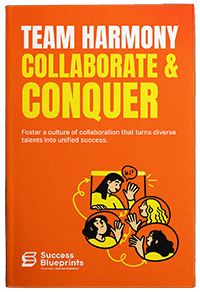
69 Products Included
All Products Special
Order our bestselling business bundle now and save a whopping $4,764 compared to buying each product separately.

 Risk-free Purchase: Full refund within 14 days
Safe and Secure Checkout


This is our LOWEST PRICE EVER - don’t miss out!
Testimonials

99.45%
Exeptional feedback from our readers 





 Risk-free Purchase: Full refund within 14 days
 Safe and Secure Checkout